UV Sterilization
Mit Water designs and manufactures ultraviolet (UV) sterilisation systems for microbial disinfection of water in industrial and municipal applications. UV disinfection is a chemical-free physical process that inactivates bacteria, viruses, protozoa and other pathogenic microorganisms by exposing water to UV-C light at a wavelength of 254 nm.
Working Principle
Water flows through a stainless steel chamber housing one or more low-pressure or medium-pressure UV lamps enclosed in quartz sleeves. As water passes through the chamber, microorganisms are exposed to UV-C radiation which damages their DNA and RNA, rendering them unable to reproduce. The process does not alter taste, odour or chemical composition and produces no disinfection by-products.
System Features
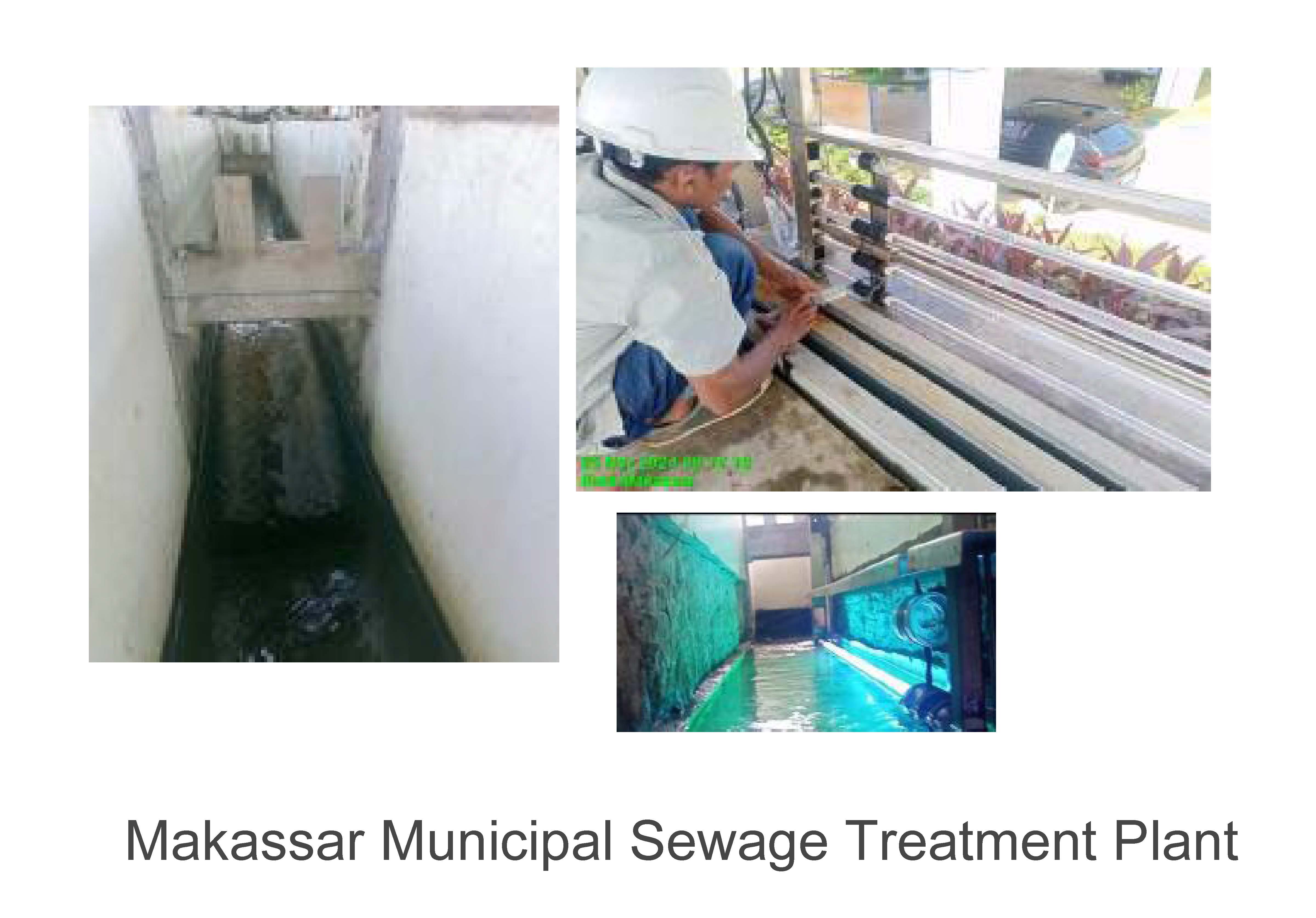
Our UV systems include an automatic wiper mechanism for quartz sleeve cleaning, UV intensity sensors for continuous monitoring, and a control panel with lamp status indication and alarm outputs. Systems are available as open-channel or closed-vessel configurations depending on the application.
UV sterilisation is applied across a broad range of industries:
- Municipal drinking water disinfection
- Pharmaceutical purified water and water for injection systems
- Food and beverage process water treatment
- Swimming pool and aquaculture water disinfection
- Wastewater effluent disinfection before discharge or reuse
- Electronics and semiconductor ultrapure water systems
- Cooling tower water microbial control
Technical Parameters
| UV Wavelength | 254 nm (UV-C) |
| Flow Rate | 0.5 to 500 m3/h per unit |
| UV Dose | 30 to 40 mJ/cm2 (drinking); 60 to 120 mJ/cm2 (pharmaceutical) |
| Chamber Material | SS304 or SS316L |
| Lamp Type | Low-pressure amalgam or medium-pressure UV lamps |
| Quartz Sleeve | High-purity fused quartz |
| Cleaning System | Automatic pneumatic or manual wiper |
| Control Panel | PLC with UV intensity display and alarm outputs |