Ozonation
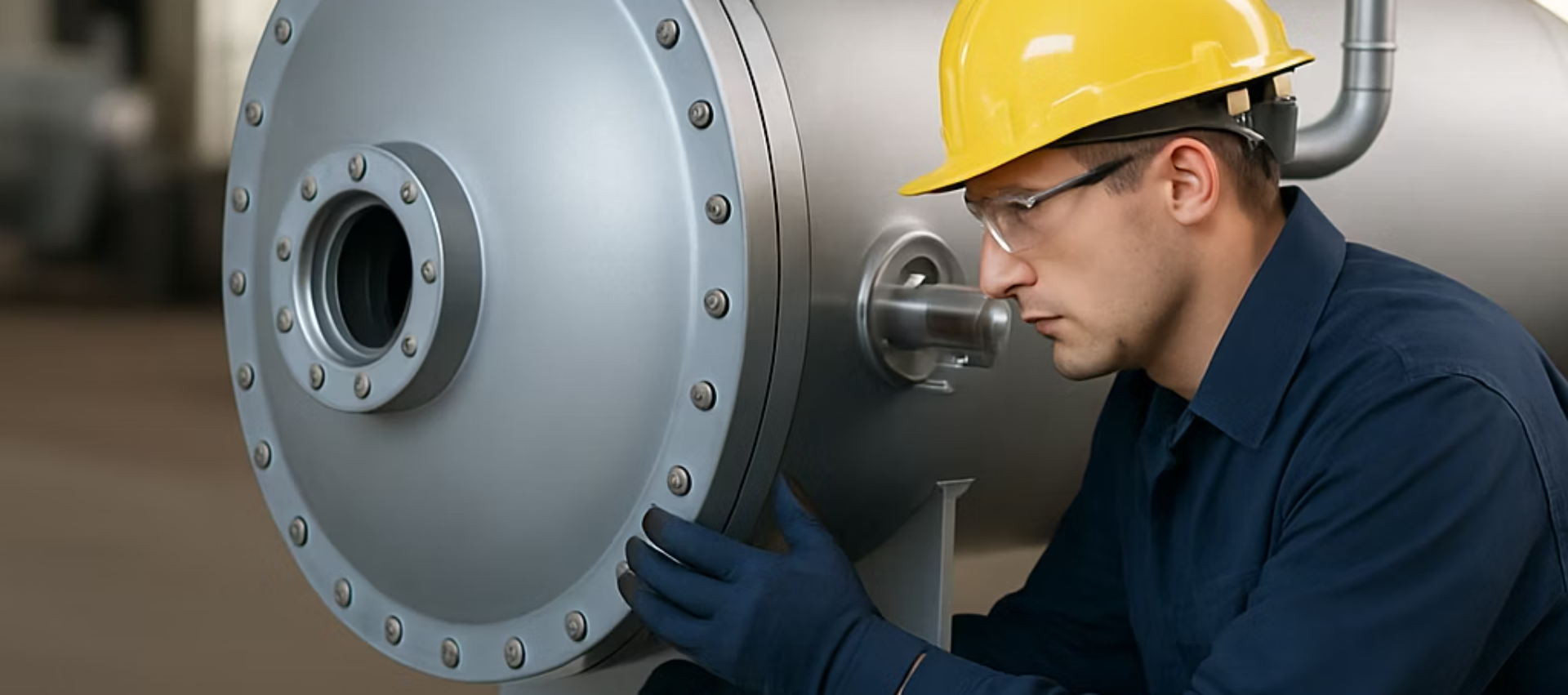
Mit Water provides ozonation systems for advanced oxidation of recalcitrant organic compounds in industrial wastewater. Ozone effectively breaks down complex organic molecules that resist conventional biological treatment, making it an essential technology for meeting stringent discharge limits and enabling water reuse.
Working Principle
Ozone (O3) is generated on-site from oxygen or air and injected into the wastewater stream through venturi injectors or fine-bubble diffusers in a contact reactor. Ozone reacts with organic pollutants through two pathways: direct reaction with molecular ozone and indirect reaction via hydroxyl radicals generated from ozone decomposition in water.
System Configuration
The ozonation system includes an ozone generator, oxygen concentrator or liquid oxygen supply, ozone contact reactor, venturi injection or diffuser system, off-gas ozone destructor, ambient ozone monitoring, and a PLC-based control panel. The contact reactor is constructed from SS316L or ozone-resistant materials.
Ozonation is used for advanced treatment of various industrial wastewaters:
- Textile dyeing and finishing wastewater colour removal
- Pharmaceutical micropollutant oxidation
- Petrochemical wastewater with phenolic compounds
- Landfill leachate advanced treatment
- Pulp and paper mill effluent polishing
- Municipal wastewater tertiary treatment for water reuse
- Food processing wastewater disinfection and COD polishing
Technical Parameters
| Ozone Dose | 10 to 200 mg/L (application dependent) |
| Ozone Output | 10 to 5,000 g/h per generator |
| Contact Time | 15 to 60 minutes |
| Ozone Transfer Efficiency | 85% to 95% (venturi injection) |
| Reactor Material | SS316L or ozone-resistant FRP |
| Operating Pressure | 0.5 to 2.0 bar (reactor) |
| Off-gas Treatment | Thermal or catalytic ozone destructor |
| Control System | PLC with ozone concentration, flow and ORP monitoring |